Music: Traditional dengbêj, modern fusion
Festivals: Newroz (New Year) and more
Languages and Dialects
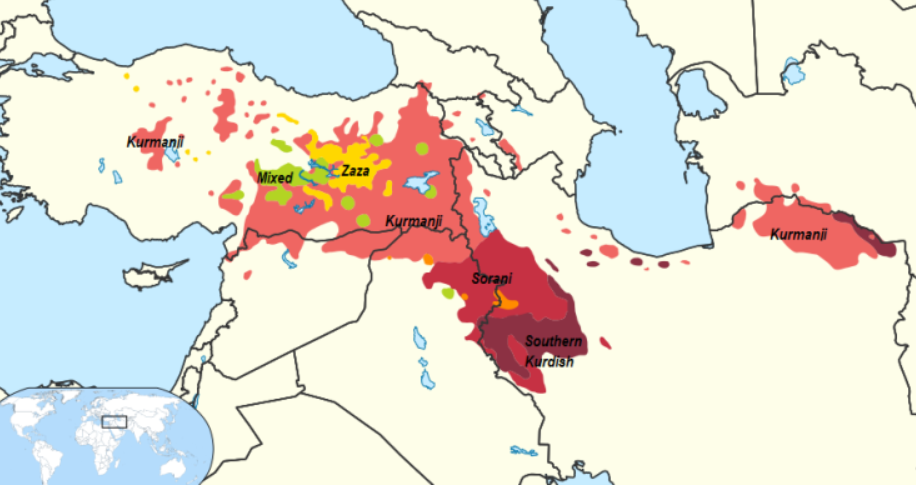
Kurdish is an Indo-Iranian linguistic continuum with major standardized varieties including Kurmanji (Northern) and Sorani (Central). Additional varieties such as Hewramî (Hawrami/Gorani) and Southern Kurdish form important literary and oral traditions. A continuum means neighboring dialects are often mutually intelligible, while distant ones may diverge substantially.
Origins and evolution
- Indo‑European roots: Northwestern Iranian branch with deep ties to the Zagros highlands.
- Historical influences: Contact with Persian, Arabic, Turkish, and Armenian shaped vocabulary and stylistics.
- Kurmanji: Widespread in Turkey, Syria, northern Iraq, and diaspora communities.
- Sorani: Common in the Kurdistan Region of Iraq and northwest Iran.
- Hewramî (Gorani) and Southern Kurdish: Rich oral and literary traditions.
Writing systems
- Latin (Hawar) for Kurmanji (e.g., ê, î, û, ç, ş) supporting phonemic distinction.
- Arabic-based (Sorani) with additional letters (ێ, ڵ, ڕ, etc.) to capture Kurdish phonology.
- Cyrillic used historically in parts of the Caucasus and the former USSR.
- Historical usage of Perso‑Arabic orthographies for Gorani/Hewramî texts.
Phonology and features (overview)
- Vowel length contrasts in Kurmanji; centralized vowels in some subdialects.
- Ergative alignment patterns (past transitive in Kurmanji), reduced in Sorani.
- Postpositions and enclitics mark case relations and definiteness.
Sample lines
Kurmanji: Ez bi dilê xwe ji hun re silav dikim. — “I greet you with my heart.”
Sorani: من بە دڵێک پاک سڵاو دەکەم. — “I greet with a pure heart.”
Literature and Oral Traditions
Kurdish literature spans epic poetry, mystical verse, love narratives, religious texts, theater, and modern prose. Classical poets such as Melayê Cizîrî, Ahmad Khani (author of Mem û Zîn), Nali, and Haji Qadir Koyi shaped language and themes that remain central to Kurdish aesthetics. Oral traditions—particularly dengbêj narrative singing—preserve genealogies, histories, and communal values and continue to inspire contemporary performance.
- Classical poetry: Courtly and mystical traditions; linguistic variety across regions.
- Modern prose: Novels, short stories, and journalism in diaspora and regional centers.
- Dengbêj: Narrative singing with themes of heroism, love, and migration.
Early and classical literature
- Oral storytelling maintained epics and local histories over centuries.
- Mem û Zîn (Ahmad Khani): A pivotal love epic with philosophical reflections on language and society.
- Poets and philosophers (e.g., Melayê Cizîrî; other medieval Kurdish‑language scholars) enriched metaphysical and romantic themes.
Literary timeline (selected)
Modern literature
- Sherko Bekas modernized poetic diction and imagery; Bakhtiyar Ali advanced the contemporary Kurdish novel.
- Themes: political resistance, identity, exile, memory, and reconstruction.
Prose and drama
- Playwrights and novelists explore social change and national movements.
- Community theater and diaspora stages sustain Kurdish drama traditions.
- 16th–17th c.: Melayê Cizîrî’s mystical verse; refinement of poetic forms.
- 17th c.: Ahmad Khani’s Mem û Zîn (love epic with philosophical preface).
- 18th–19th c.: Gorani/Hewramî verse and Sorani classics—Nali, Salim, Kurdî.
- Late 19th–20th c.: Haji Qadir Koyi advocates modernization and education.
- 20th–21st c.: Prose fiction, memoirs, and diaspora publishing expand genres.
Music and Dance
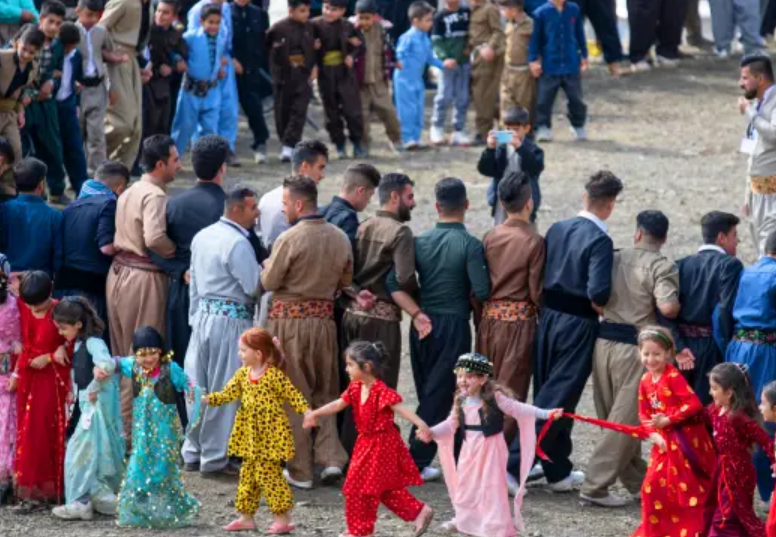
Kurdish music features modal melodies and strong rhythmic patterns for line and circle dances. Regional ensembles combine wind instruments, strings, and percussion, while contemporary artists blend tradition with popular and global genres.
Instruments
- Dahol/davul and bendir/def: Bass drum and frame drum driving dance rhythms.
- Saz/bağlama and tembûr/tanbûr: Long‑necked lutes accompanying narrative song.
- Ney and zurna: Flute and double‑reed oboe for outdoor ceremonies and processions.
Regional ensembles
- Hewraman/Uramanat: Tanbûr with ritual and epic repertoires.
- Bahdini/Behdinî: Zurna-davul pairs for village celebrations.
- Sorani areas: Violin, keyboard, and daf in contemporary orchestration.
Dances
- Govend/Delilo: Circle or line formations with interlocking hands and step figures.
- Regional variants: Dabke (Syria) and Halay (Turkey) influence local repertoires.
- Significance: central to weddings, Newroz, and communal gatherings.
Music in modern times
- Kurdish pop and fusion draw on diaspora influences.
- Notable artists include Şivan Perwer, Ciwan Haco, and contemporary composers; influential vocalists from neighboring traditions (e.g., Mohammad Reza Shajarian) shaped regional aesthetics.
Traditional art forms
- Handicrafts: rugs, textiles, embroidery, pottery; symbolic motifs in color and pattern.
- Carved wood, metalwork, and inlay for domestic and ceremonial objects.
Modern art and artists
- 20th–21st centuries: painters, sculptors, and photographers explore identity and place.
- Exhibitions in regional galleries and diaspora cultural centers.
Architecture
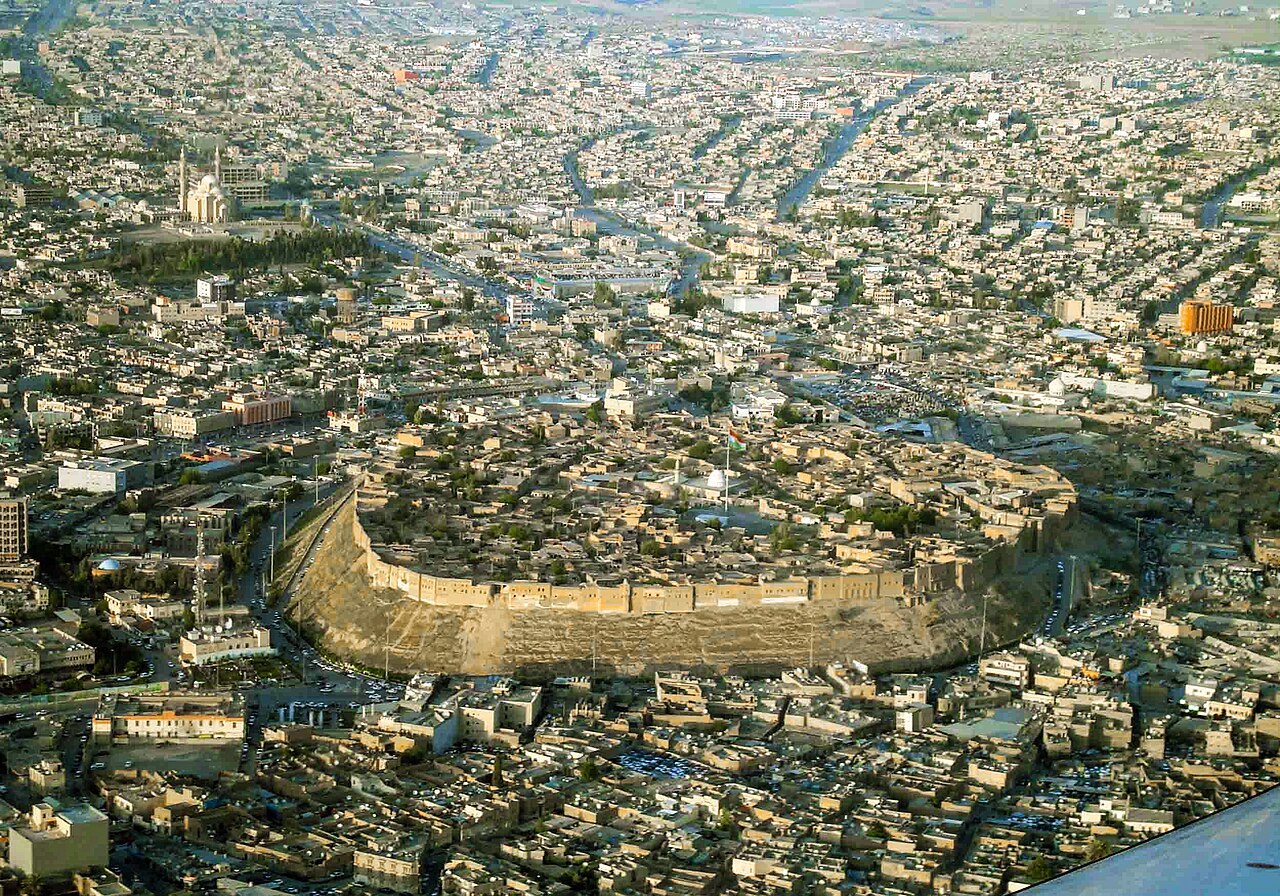
- Citadels and fortresses: Erbil Citadel; Roman‑era remains and bridges in Duhok/Zaxo; towers such as Shirwana in Garmian.
- Traditional houses: central courtyards, flat roofs, family‑oriented plans.
- Nomadic heritage influences: seasonal tents, portable furnishings, and terrace adaptation.
Religion and Beliefs
Sunni Islam
- Dominant in many regions; local customs and festivals shape communal life.
Shia Islam
- Communities primarily in Iran and parts of Iraq; commemorations and pilgrimage practices.
Yezidism (Êzidî)
- Distinct religious tradition with sacred sites in Sinjar/Lalish; 2014 genocide had lasting impacts.
Alevi Kurds
- Rituals and music central to worship; significant communities in Turkey and Syria.
Kurdish Christianity
- Assyrian and Chaldean Christian presence across Kurdish regions; shared neighborhoods and markets.
Ancient beliefs
- Legacy of Zoroastrian and Mithraic traditions in symbols, festivals, and folklore.
Other religious and cultural festivals
- Yezidi holidays such as Çarşema Sor (Red Wednesday).
- Ramadan and Eid al‑Fitr among Sunni Kurds; Ashura among Shia communities.
- Music and dance festivals—regional and diaspora events celebrating heritage.
Weddings and social customs
- Multi‑day celebrations with govend dances, traditional attire, and communal feasts.
- Hospitality, gift‑exchange, and kinship networks reinforce social bonds.
Beverages and desserts
- Ayran (yogurt drink) and strong black chai.
- Sweets such as baklava, kadayif, saffron puddings, and regional pastries.
Regional variations
- Turkey/Iraq/Iran/Syria: shared staples with distinct spices and techniques.
- Neighboring influences from Persian, Turkish, and Arab cuisines.
Traditional dress
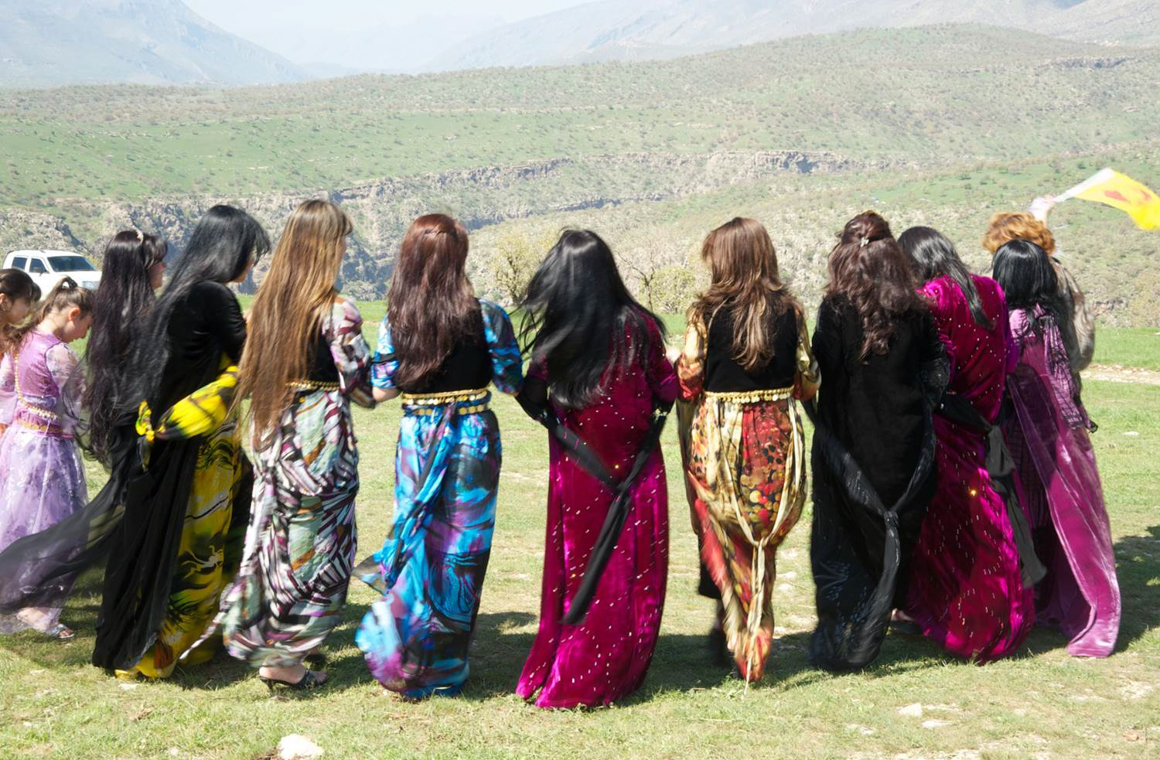
- Fustan for women; shalvar (baggy trousers) for men; sashes and vests.
- Headwear: patterned scarves, kofia/kolaw styles; jewelry and hair ornaments.
Modern fashion
- Western styles blend with revived traditional garments in cities and diaspora.
- Cultural festivals feature couture inspired by regional textiles.
Social Structure and Family Life
Traditional family
- Extended families and kinship networks organize labor, land, and support.
- Respect for elders and hospitality are strong social expectations.
Role of women
- Evolving roles in education, civil society, and politics (e.g., Leyla Zana and contemporary women leaders).
- Women’s organizations promote literacy, health, and economic participation.
- Notable leaders and activists include Leyla Zana; public figures such as Shaswar Abdulwahid Qadir also influence civic life.
Tribal structures
- Historical importance of tribal confederations; leadership by notables and aghas.
- Tribal loyalties intersect with modern party politics and local governance.
Kurdish Identity and Modern Challenges
Nationalism and cultural preservation
- Political struggles have shaped language policy, education, and media access.
- Cultural revival movements preserve literature, music, and dress.
Cultural resistance
- Music, literature, and art function as forms of civic expression and resistance.
- Festivals and public celebrations sustain communal identity across borders.
Clothing and Crafts
Traditional clothing varies by region but often includes fitted jackets, sashes, and distinctive headwear. Women’s attire features colorful fabrics and embroidery, while men’s outfits may include shal û şepik trousers and patterned belts. Textile arts—carpet weaving, kilims, feltwork—reflect pastoral lifeways and trade connections.
- Weaving: Kilims and pile carpets with geometric motifs.
- Metalwork & woodwork: Household objects and decorative arts.
- Embroidery: Patterns signifying locality and family heritage.
Craft techniques
- Flatweave (kilim): Slit-tapestry and sumak weaves for rugs and bags.
- Natural dyes: Madder, walnut hull, indigo; regionally distinct palettes.
- Felt-making: Pressed wool textiles for tents and blankets.
Festivals and Calendar
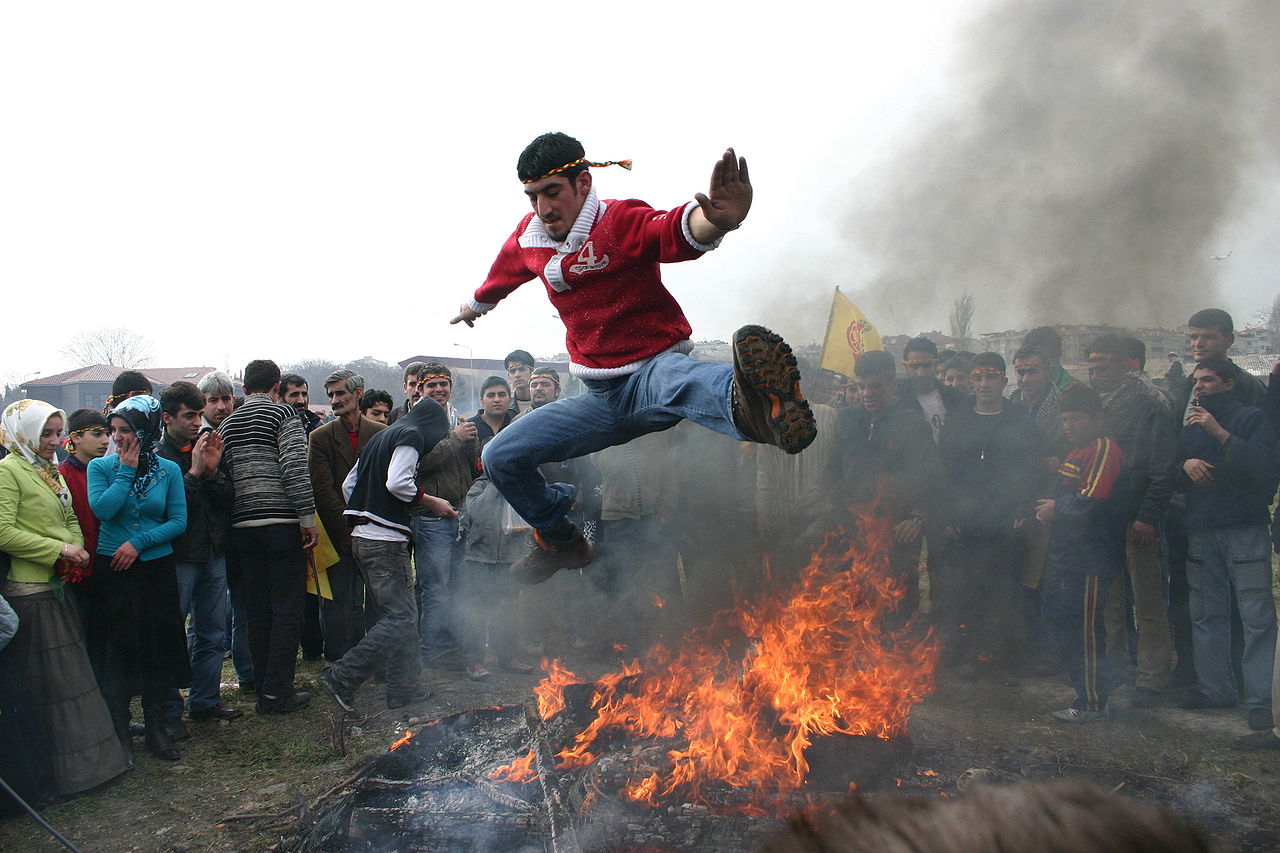
Newroz, celebrated around the March equinox, symbolizes renewal and the arrival of spring. Communities light bonfires, perform dances, and visit relatives. Seasonal festivals and saint/shrine commemorations mark agricultural cycles and communal bonds.
Calendar highlights
- Newroz (c. 21 March): Bonfires, dances, new clothes, picnics.
- Harvest/Autumn feasts: Local fairs and shrine visitations.
- Religious commemorations: Mawlud celebrations; Sufi gatherings.
Cuisine
Kurdish cuisine reflects mountain ecology and trade routes: wheat-based breads, pilafs, yogurt, legumes, and herbs. Many dishes center on slow-cooked stews, grilled meats, and seasonal greens. Bread varieties and tea culture are daily staples.
- Staples: nan breads, rice pilaf, bulgur, yogurt, herbs.
- Dishes: dolma, stews with lamb and vegetables, grilled kebabs.
- Sweets & beverages: Halva, baklava variants, black tea.
Regional notes
- Bahdinan: Herb-forward stews; dairy and mountain greens.
- Soran: Rice pilaf with saffron; stuffed vegetables; grilled meats.
- Zagros foothills: Foraged herbs, yogurt-based sauces, bulgur dishes.
Visual Arts and Architecture
Highland architecture adapts to climate and terrain, with terraced villages and stone or mud-brick construction. Urban monuments—including citadels and bazaars—anchor social and commercial life. Contemporary artists draw on textiles, calligraphy, and landscape motifs.
Contemporary Culture and Media
Broadcast media, film, and digital platforms have expanded cultural production across the region and diaspora. Music videos, documentaries, and community archives circulate linguistic diversity and local histories.
- Independent cinema festivals and documentary projects.
- Publishing houses and cultural centers in urban hubs.
- Digital archives preserving oral histories and music.
Media hubs (selected)
- Erbil/Sulaymaniyah/Duhok: TV studios, music production, publishing.
- Diyarbakır/Van: Cultural centers and theater initiatives.
- Berlin/Stockholm/London: Diaspora presses, festivals, and archives.
Diaspora
Large diaspora communities in Europe, the Caucasus, and beyond sustain cultural institutions, language schools, and media outlets. Festivals and artistic collaborations link diaspora and homeland networks.
Glossary
- Dengbêj: Narrative singer/performer preserving oral epics and histories.
- Govend: Group dance performed in line or circle formations.
- Tanbûr: Long-necked lute central to ritual and epic repertoire.
- Hawar orthography: Latin-based Kurmanji writing system.
Further Reading
This page offers an outline; you can expand it with bibliographies, listening guides (dengbêj recordings, instrumental playlists), and museum links for textiles and crafts.
- Anthologies of Kurdish poetry (Kurmanji/Sorani) with bilingual editions.
- Monographs on Kurdish music and ritual (tanbûr, daf, Sufi lineages).
- Textile catalogs focused on Zagros kilims and tribal weavings.