An overview of Kurdish history from prehistory and classical antiquity to the contemporary period, highlighting key regions, figures, and turning points.
Ancient and Classical Periods›
Ancient Origins and Prehistory
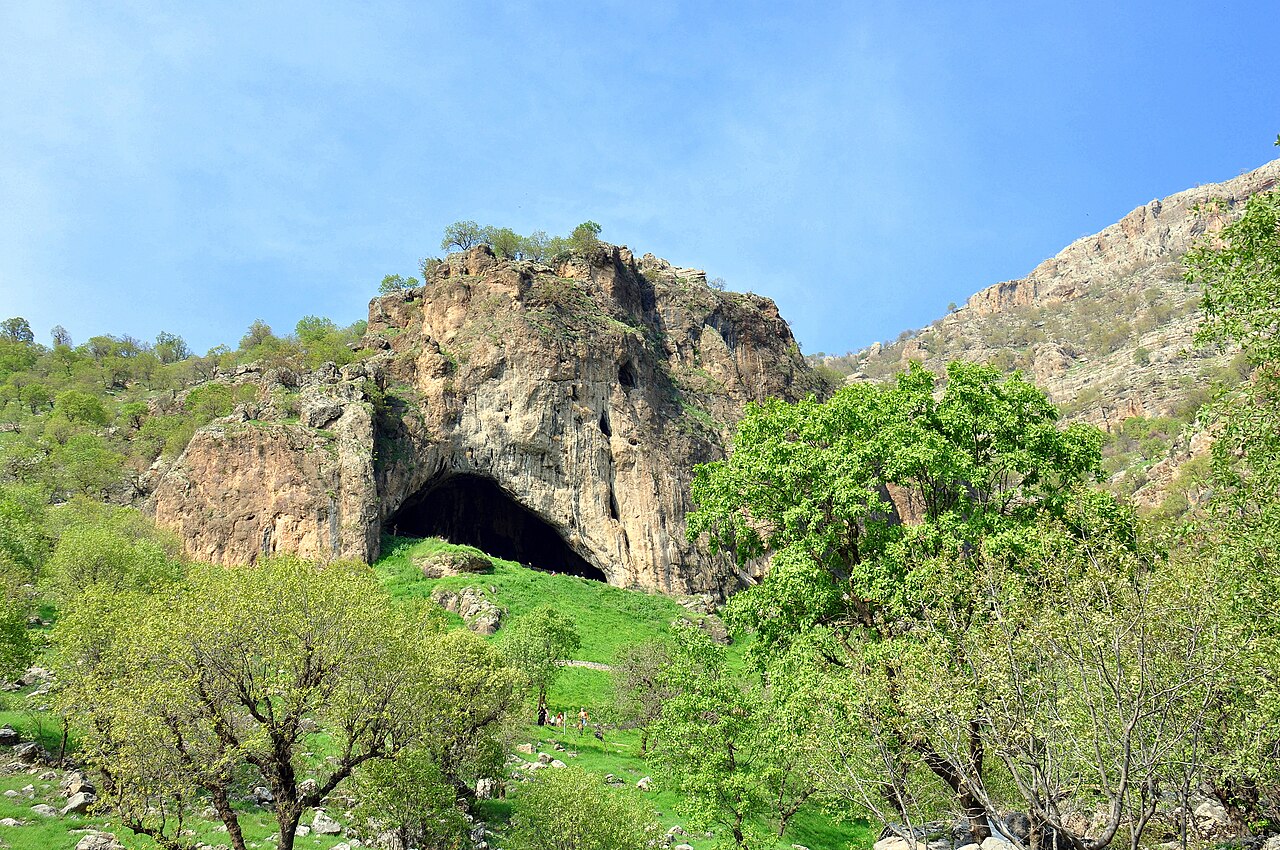
The Zagros Mountains have been home to human communities since prehistory. Archaeological sites such as Shanidar Cave provide evidence of Neanderthal and early modern human habitation, while Neolithic villages indicate early agriculture and pastoralism in the region.
Early cultures
- Neolithic communities developed mixed farming and herding economies.
- Regional networks linked the Zagros with Mesopotamian lowlands.
Prehistoric Period
- Early human settlements in the Zagros mountains.
- Key archaeological sites: Jarmo, Shanidar Cave, Tell Abu Hadi.
- Stone Age tools and transitions toward early farming communities.
Languages and ethnogenesis
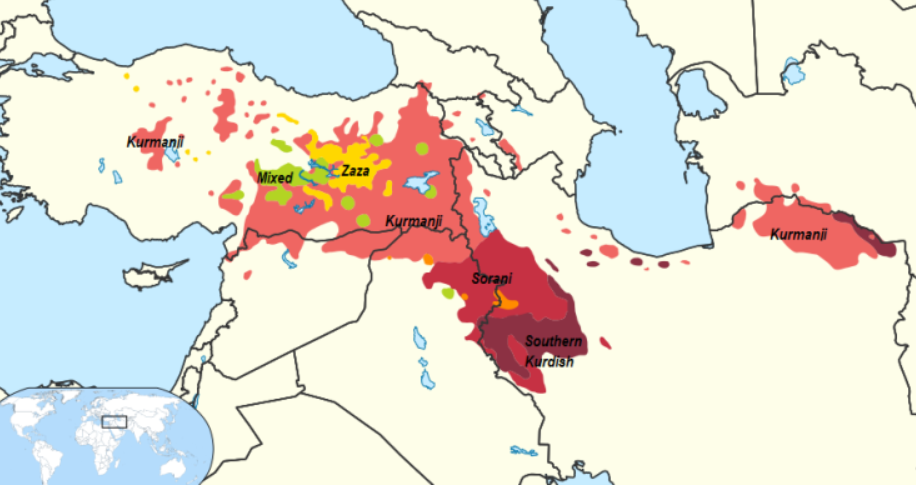
Scholars situate the development of Northwestern Iranian languages in and around the Zagros, with pastoral mobility and highland settlement patterns shaping community identities over many centuries. Processes of ethnogenesis involved shifting alliances, dialect continua, and interaction with neighboring lowlands.
Classical Antiquity
In classical sources, the highland peoples of the Zagros were recorded under various names. The region interacted with the Median, Achaemenid, Seleucid, Parthian, and Sasanian states. Mountain communities maintained strong pastoral traditions alongside participation in imperial structures.
Key themes
- Imperial frontiers and highland autonomy.
- Trans-Zagros trade routes connecting Anatolia, Mesopotamia, and Iran.
Mesopotamian Civilization
- Interactions between early Sumerians, Akkadians, and highland ancestors of later Kurdish communities.
- Highland–lowland exchange shaped agriculture, metallurgy, and pastoral mobility.
- Debated connections with Urartu across the Armenian highlands and their highland neighbors.
Empires (selected)
- Achaemenid (c. 550–330 BCE): Integrated highland satrapies and road systems.
- Hellenistic (Seleucid, c. 312–63 BCE): Urban foundations and regional garrisons.
- Parthian (247 BCE–224 CE): Cavalry traditions; decentralized structure favoring frontier elites.
- Sasanian (224–651 CE): Fortified corridors, religious institutions, and border defense.
Kurds in Ancient Empires
- Medes (678–549 BCE): Role in overthrowing the Assyrian Empire; rise of Median power.
- Medo‑Persian alliance and formation of the Persian Empire.
- Kurdish tribes within Achaemenid administrative and military systems.
- Parthian period: highland cavalry and tribal federations engaged in frontier politics.
Medieval Period›
Medieval Principalities and Figures
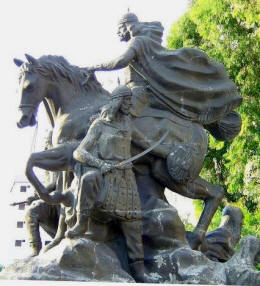
From the Islamic conquests through the Seljuk and later periods, Kurdish principalities emerged across the highlands. These polities balanced local authority with allegiance to larger dynasties. One of the most renowned figures associated with the Kurdish highlands is Ṣalāḥ al-Dīn (Saladin), whose Ayyubid dynasty ruled across parts of the Middle East.
Principalities
- Emirates such as Hakkari, Bohtan, and Ardalan developed regional courts and culture.
- Highland fortresses and market towns linked local economies to broader trade.
The Kurdish Influence in Islamic History
- Arrival of Islam in the highlands during the 7th century.
- Kurdish presence within Umayyad and Abbasid administrative and military systems.
- Early Kurdish dynasties and learned networks across frontier cities.
Ayyubids and frontier polities
- 12th–13th centuries: Ayyubid domains connected Syria, Egypt, and Upper Mesopotamia.
- Frontier strongholds mediated commerce and pilgrimage routes.
The Kurdish Sultanates and Dynasties
- Shaddadids (951–1199 CE): Dynastic presence around Arran and Armenia.
- Ayyubids: Saladin’s reign and legacy across Egypt, Syria, and the Jazira.
- Artuqids, Marwanids, and Kurdish-led Seljuk polities in frontier governance.
- Kurdish roles in Crusader–Ayyubid conflicts and diplomacy.
Medieval Kurdish Kingdoms
- Nobility integrated into multi‑ethnic courts across the Middle East.
- Emirates in Anatolia and Persia during Seljuk and early Ottoman periods.
- Interactions with Persians, Arabs, Armenians, and Turks in trade and politics.
Urban and scholarly life
- Madrasa networks and Sufi lodges linked cities and highland towns.
- Poetry and historiography flourished in regional courts and religious centers.
Early Modern Era›
Between Empires
From the 16th to 18th centuries, the Ottoman and Safavid (later Qajar) states shaped politics across the highlands. Kurdish emirates often held semi-autonomous status, mediating imperial interests and local governance.
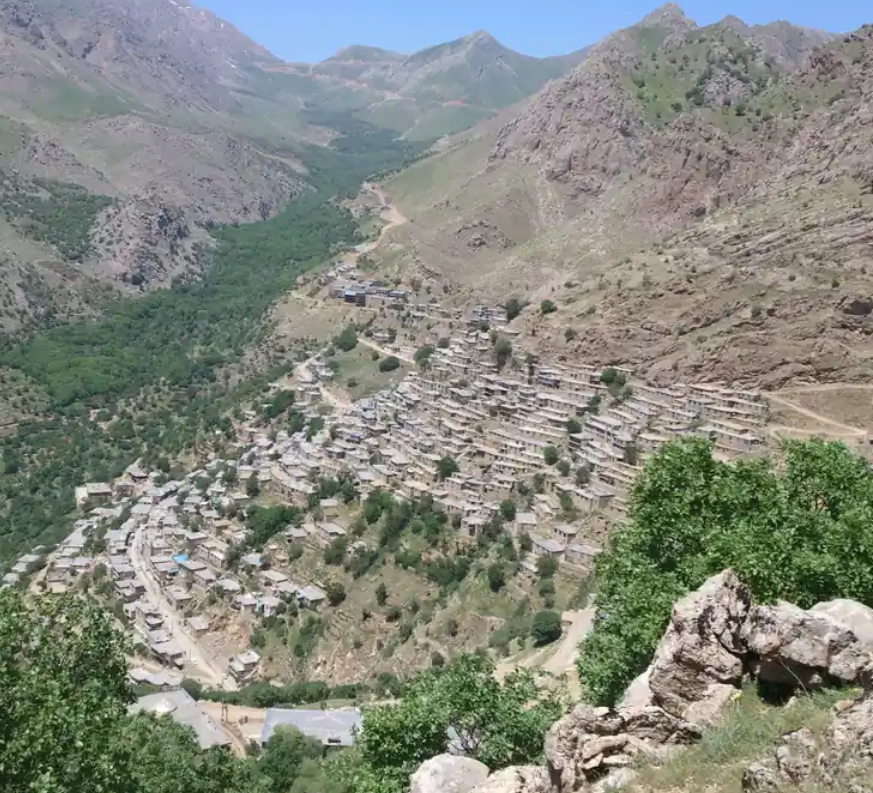
- Ardalan Emirate centered at Sina (Sanandaj) maintained a notable literary culture.
- Local law, customary practice, and tribal confederations remained influential.
Ottoman–Safavid borderlands
- Frontier zones were organized through pacts with local dynasts and notables.
- Caravan trade and seasonal transhumance sustained highland economies.
Ottoman Empire and Kurdish Relations
- Gradual incorporation of Kurdish regions into the Ottoman system.
- Layered society under Ottoman rule: tribal confederations, urban notables, and religious authorities.
- Roles of Kurdish units in imperial military and administrative affairs.
Kurdish Autonomous Regions under Ottoman Rule
- Principalities such as Bitlis, Diyarbekir, and Erbil with varying autonomy.
- Decentralization cycles and tribal autonomy in frontier districts.
- Participation in imperial forces, including provincial auxiliaries.
The Safavids and Kurdish Relations
- Kurdish tribes in Iran during the Safavid era engaged in campaigns and provincial defense.
- Ottoman–Safavid conflicts placed Kurdish regions at strategic crossroads.
Religious networks
- Naqshbandi and Qadiri Sufi lineages connected towns, villages, and pastures.
- Shrines and annual gatherings served as social and economic hubs.
19th–20th Centuries›
Reform, Revolt, and New States
The 19th century brought centralizing reforms in neighboring empires and new pressures on autonomous emirates. Leaders such as Sheikh Ubeydullah advanced regional claims. In the 20th century, after World War I and the dissolution of empires, new borders divided Kurdish-inhabited regions among several states.
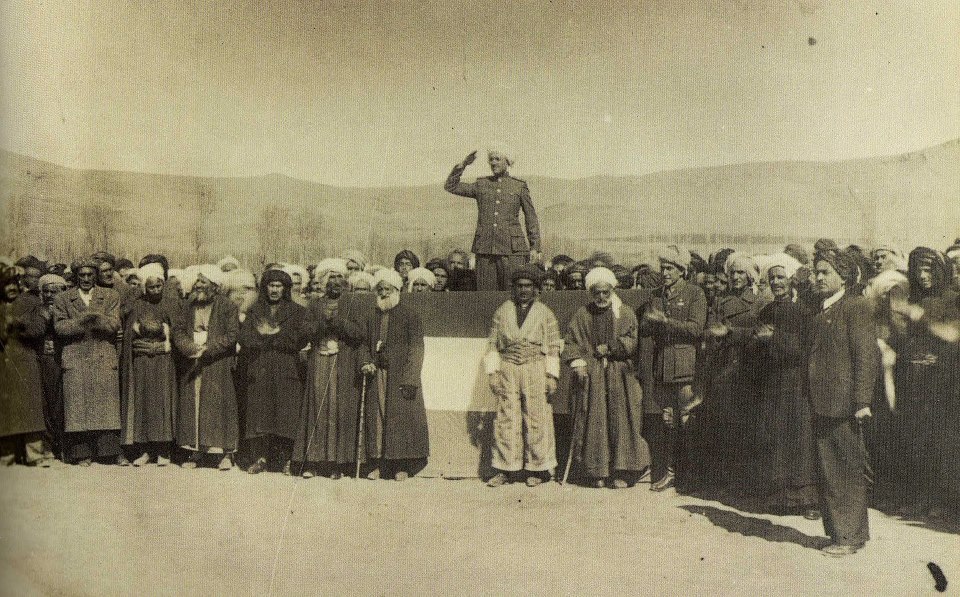
Selected milestones
- 1880s: Sheikh Ubeydullah movement articulates regional autonomy.
- 1920s–1930s: New state boundaries and varied policies toward highland regions.
- 1946: Republic of Mahabad declared (and later dissolved) in northwestern Iran.
- 1970: Autonomy agreement announced in Iraq; subsequent conflicts follow.
- 1988: Anfal campaign causes widespread destruction and displacement.
- 1925: Sheikh Said uprising in Turkey and subsequent reorganization of the East.
- 1927–1930: Ararat movement in eastern Anatolia.
- 1918–1922, 1920s: Simko Shikak movements in northwest Iran.
- 1961–1975: First Iraqi–Kurdish War; 1974–1975 renewed conflict until Algiers Agreement.
- 1991: Uprisings and establishment of a de facto safe zone in northern Iraq.
The Rise of Kurdish Nationalism
- Uprisings such as the Sheikh Ubeydullah Revolt (1880) amid Ottoman decline.
- Growth of Kurdish intellectual circles, newspapers, and cultural associations.
- World War I and the re‑drawing of borders reshaped Kurdish political aspirations.
The Kurdish Question Post‑World War I
- Sykes–Picot and division of Kurdish‑inhabited regions among Turkey, Iran, Iraq, and Syria.
- Treaty of Sèvres (1920) and unrealized provisions on Kurdish autonomy/independence.
- Turkish War of Independence (1923) and the Republic of Turkey; subsequent rebellions (Sheikh Said 1925, Ararat 1930).
Kurdish Nationalist Movements
- Early intellectuals and organizers; development of periodicals and educational initiatives.
- Cultural revival and standardization efforts across dialects.
Contemporary Period›
Institutions and Society Today
Since the early 1990s, new institutions emerged in parts of the region. In Iraq, the Kurdistan Region developed formal governance structures, holding parliamentary elections and building administrative capacity. Across the wider region, cultural life, media, and civil society have grown alongside ongoing challenges.
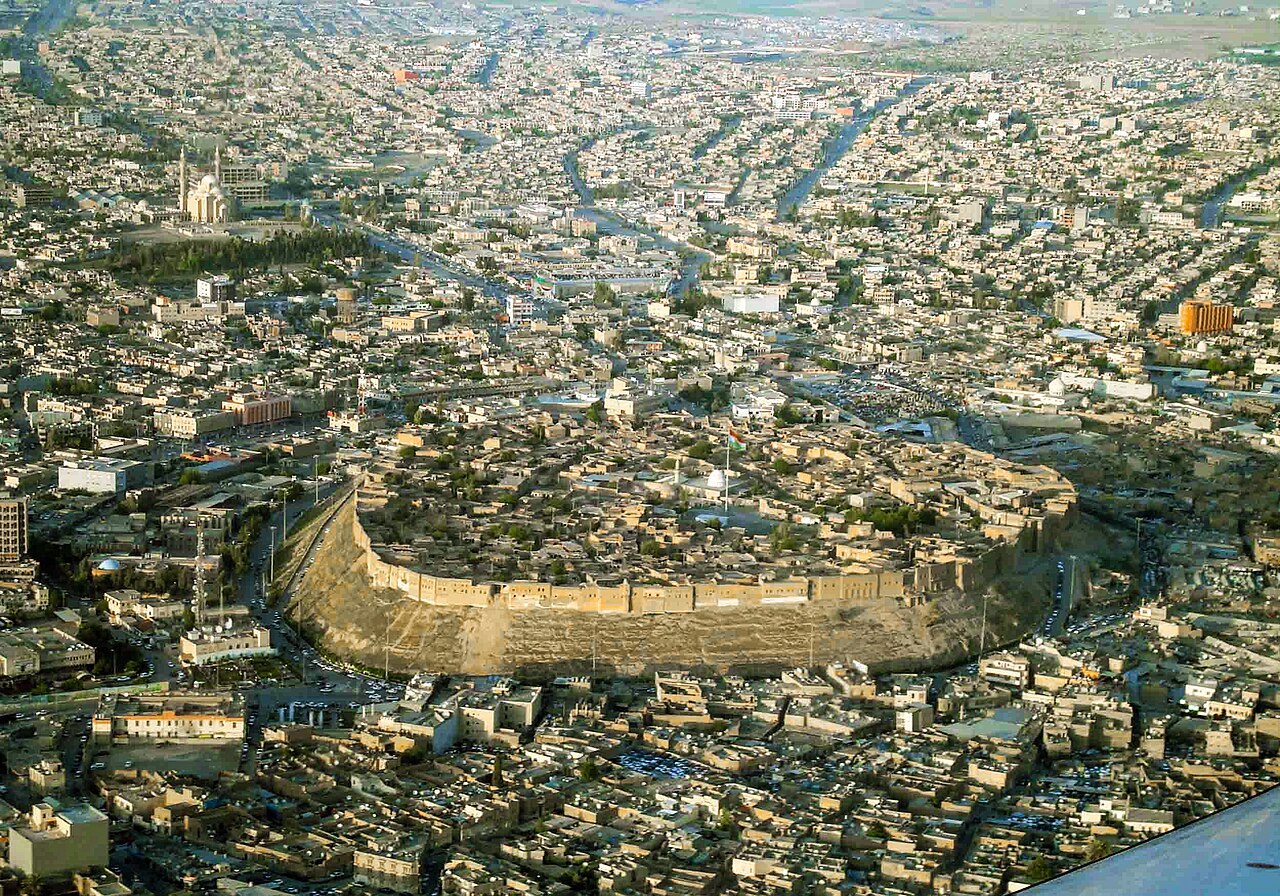
Recent developments
- Institution building, education, and cultural production.
- Migration, urban growth, and regional economic linkages.
Modern History (Post‑World War II to Present)
- Iraq: Formation of parties (KDP, PUK); 1961–1975 conflicts; Anfal campaign (1986–1989); post‑2003 KRG institutions.
- Turkey: Founding of the PKK and insurgency; rights debates; ceasefires and talks at intervals.
- Syria: Civil war context; rise of YPG and autonomy in Rojava; cooperation with international partners against ISIS.
- Iran: PDKI, Komala, and other movements; effects of the 1979 Revolution; recurrent repression and uprisings.
Selected contemporary timelines
- Iraq: 1992 parliamentary elections; 2003 post-war transition; 2005 constitutional recognition; 2014–2017 conflict with ISIS; 2017 independence referendum (non-binding) and subsequent negotiations.
- Syria: 2012–present: Local administration projects and security challenges in the northeast.
- Turkey & Iran: Periodic negotiations and security operations, alongside cultural and civil initiatives.
Key Dates (At a Glance)
- Prehistory: Shanidar Cave evidence of early habitation.
- Classical era: Integration within Achaemenid and later empires.
- 12th century: Saladin and the Ayyubids.
- 16th–18th centuries: Semi-autonomous emirates between Ottoman and Safavid/Qajar realms.
- 1946: Republic of Mahabad.
- 1990s–present: Consolidation of the Kurdistan Region in Iraq and broader cultural revival.
Chronological Timeline (Selected)
- c. 60,000–40,000 BCE: Neanderthal remains at Shanidar; later early modern human layers.
- c. 10,000–6,000 BCE: Neolithic villages; domestication of plants and animals in the Zagros arc.
- c. 550–330 BCE: Achaemenid rule integrates highland corridors and satrapies.
- 312–63 BCE: Seleucid foundations and garrisons in Upper Mesopotamia.
- 247 BCE–224 CE: Parthian period; cavalry-based frontier structures.
- 224–651 CE: Sasanian period; fortifications and religious institutions.
- 7th–10th c.: Early Islamic polities; networks of learning and trade expand.
- 12th c.: Saladin and Ayyubid consolidation across Syria and Egypt.
- 16th–18th c.: Ottoman–Safavid frontier; semi-autonomous emirates (e.g., Ardalan).
- 1880–1881: Sheikh Ubeydullah movement.
- 1918–1922: Simko Shikak movements; reconfiguration of borders after WWI.
- 1925: Sheikh Said uprising in Turkey.
- 1927–1930: Ararat movement.
- 1946: Republic of Mahabad.
- 1961–1975: Iraqi–Kurdish conflicts; 1970 autonomy plan; 1975 Algiers Agreement.
- 1988: Anfal campaign.
- 1991: Uprisings; no-fly zone and de facto self-administration in northern Iraq.
- 2003–2005: New political framework in Iraq; constitutional recognition of the Kurdistan Region.
- 2014–2017: War against ISIS; displacement and reconstruction challenges.
- 2017: Independence referendum in the Kurdistan Region of Iraq (non-binding).
Further Reading
For deeper study, consult academic histories, regional ethnographies, and archaeological syntheses. You can enrich this page with citations and a bibliography in future iterations.
Key Figures in Kurdish History
Ancient and Medieval
- Median rulers such as Cyaxares and Astyages in classical accounts.
- Ṣalāḥ al‑Dīn (Saladin), founder of the Ayyubid dynasty.
- Generals and frontier rulers serving in imperial armies and courts.
Modern
- Mulla Mustafa Barzani; Jalal Talabani.
- Abdullah Öcalan; Leyla Zana and contemporary women leaders (e.g., Asya Abdullah).
Kurdish Cultural Movements Throughout History
Literature and Poetry
- Dialectal diversity and standardization efforts across centuries.
- From Ahmad Khani to modern writers; oral epics and storytelling.
Art, Music, and Folklore
- Music and dance (e.g., dahol/davul, govend) in communal life.
- Embroidery, weaving, and craft symbolism; folklore such as Kawa the Blacksmith and Mem û Zîn.
Religion and Beliefs
- Sunni, Shia, and Alevi Kurds; Yezidi communities and their history.
- Christian communities among Kurds (Assyrian/Chaldean presence).
- Ancient belief systems including Zoroastrian and Mithraic traditions.
Kurdish Diaspora and Global Impact
Migration and Exile
- Migrations due to conflict and political repression; settlement in Europe, North America, and beyond.
- Role in refugee advocacy and transnational activism.
Global Politics
- Participation in the campaign against ISIS and international diplomacy.
- Contributions to global debates on peace, justice, and minority rights.